Upper GI Endoscopy (Gastroscopy)
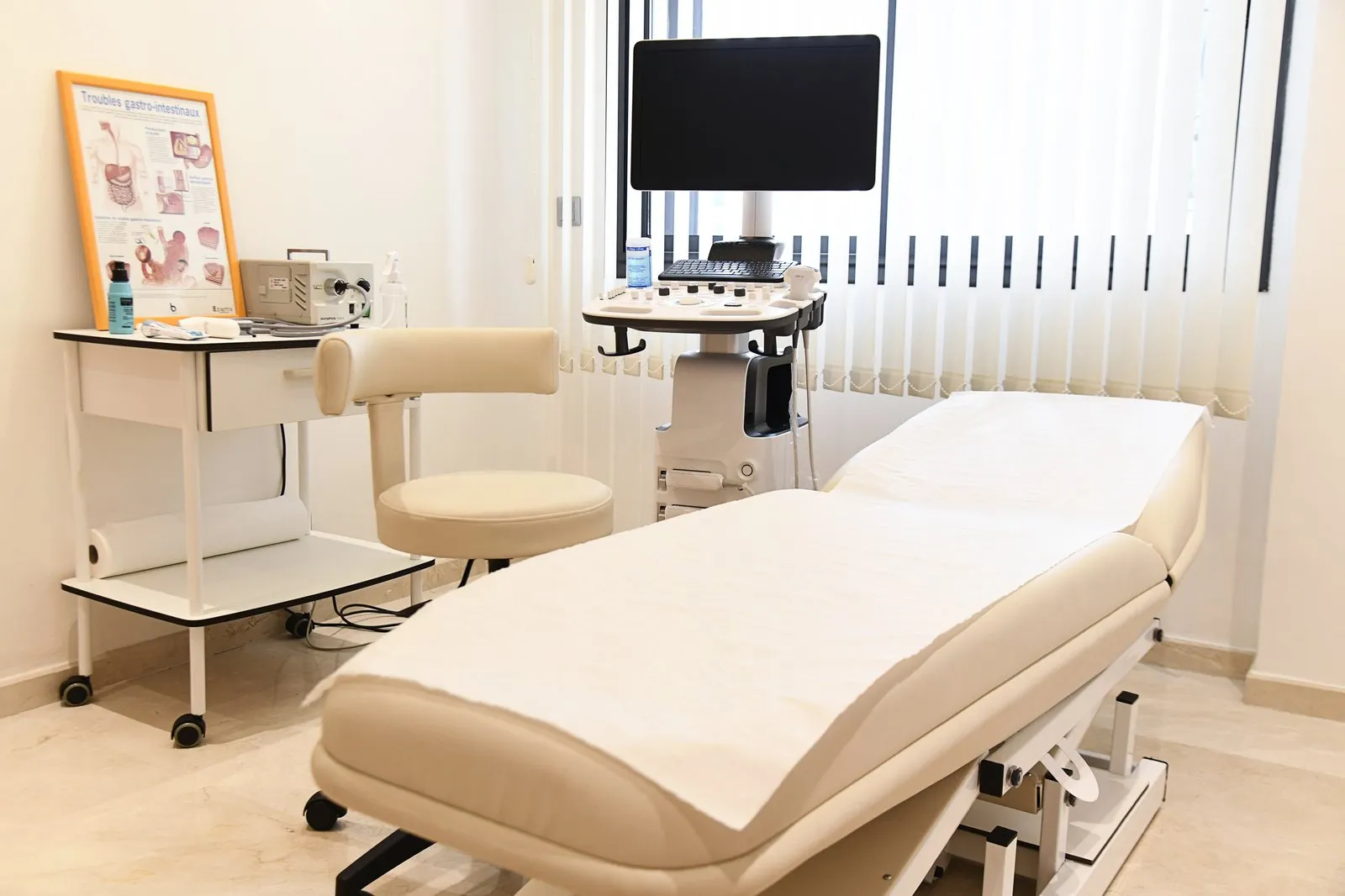
Upper GI endoscopy

Upper GI endoscopy is the reference examination of the esophagus, stomach and duodenum. It detects lesions and allows biopsies to be taken (a small tissue sample examined under the microscope).

Why have an upper GI endoscopy?

Upper GI endoscopy is the reference examination of the esophagus, stomach and duodenum. It detects lesions and allows biopsies to be taken, that is, a small sample of tissue that will be examined under the microscope.

You must fast completely for the 6 hours before the examination (no eating, no smoking).

The examination is performed under local or general anesthesia to make it more comfortable. A flexible instrument is inserted through the mouth; air is blown in to unfold the walls, which may cause some belching. Samples are taken if the doctor considers it necessary.

The endoscope is disinfected between patients. No case of viral transmission (hepatitis B, hepatitis C, HIV) has been detected when current sterilization standards are followed.

Apart from complications related to anesthesia, complications of upper GI endoscopy are very rare and may occur even when the examination is performed with competence and safety in line with current scientific standards. They include perforation, bleeding, cardiovascular and respiratory problems, and infection.